Get Tree Shaping Service
Tree Shaping Service providers help property owners with projects like living fences, artistic tree structures, and custom wood features that address safety, space, and aesthetic concerns.
Tree shaping services offer a practical way for property owners to enhance the aesthetic appeal and functionality of their outdoor spaces. Whether considering structural modifications, creating living features, or improving landscape design, connecting with experienced local contractors can help bring these projects to life. Exploring your options and planning ahead ensures the work aligns with your property’s needs and your vision, making it easier to compare different service providers in the area.
Property owners in the local community might look into tree shaping for reasons such as improving privacy, increasing property value, or adding unique landscape features. By reviewing the available local contractors, you can find professionals who understand the specific conditions of your area and can provide tailored solutions. Keep reading to discover how to connect with qualified service providers who can assist with your tree shaping projects.
- Tree Sculpting - individuals seeking artistic shaping or custom designs for their trees.
- Tree Pruning - homeowners needing to improve tree health or remove hazardous branches.
- Living Fences - property owners interested in creating natural privacy screens or decorative barriers.
- Tree Weaving - clients wanting to develop unique, living structures or artistic installations.
- Tree Topiary - gardeners or landscapers aiming to craft ornamental, clipped greenery for aesthetic appeal.
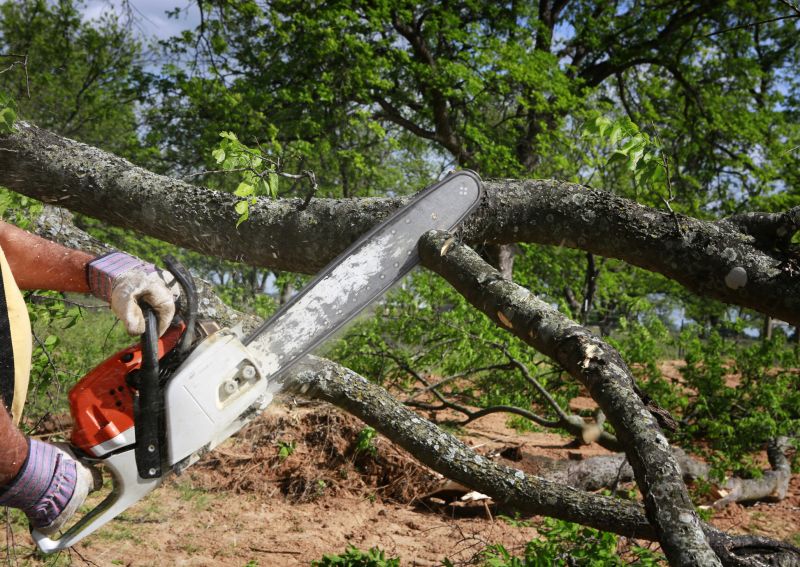
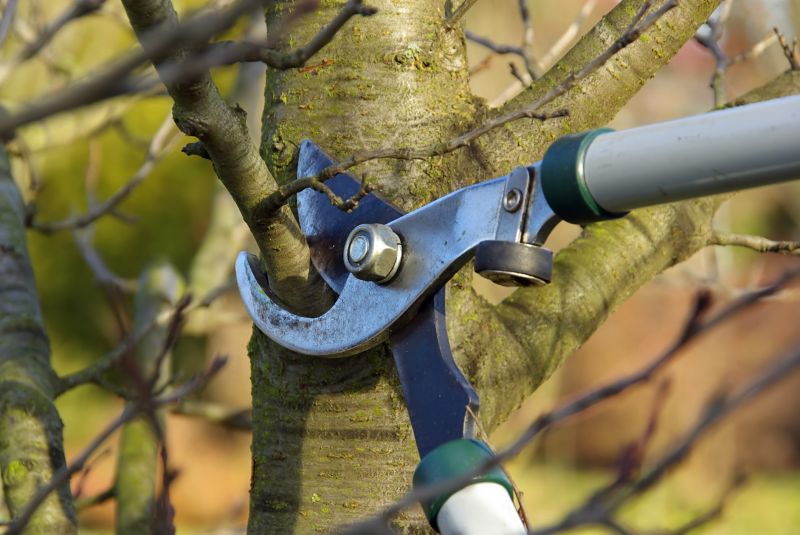
Tree shaping services involve the art and science of training and guiding trees to grow in specific forms, structures, or configurations. This process often includes techniques such as pruning, wiring, and supporting branches to encourage desired growth patterns. The goal is to create functional or aesthetic features, like living fences, shade structures, or artistic installations, by carefully directing how the tree develops over time. These services require knowledge of tree biology and growth habits to ensure that the shaping process promotes healthy development while achieving the intended design.
Many property owners turn to tree shaping services to address issues related to space management, safety, or aesthetics. Overgrown or unruly trees can pose risks of falling branches or interfere with structures, utilities, or clear pathways. Shaping trees can help reduce these hazards by removing excess growth and establishing a controlled form. Additionally, property owners interested in unique landscape features or sustainable design elements often seek out these services to incorporate living structures into their outdoor spaces, enhancing both appearance and functionality.
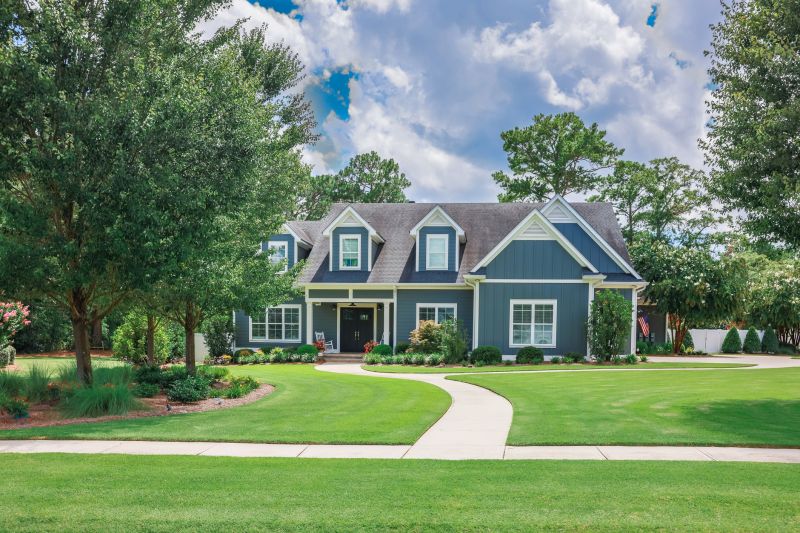
Tree shaping services are commonly used on residential properties, commercial landscapes, public parks, and community gardens. Homeowners may opt for shaping to create privacy screens, decorative features, or safe clearance around their homes. Commercial property managers often utilize these services to maintain attractive and safe outdoor environments that draw customers or visitors. Public parks and urban spaces benefit from tree shaping to develop shaded walkways, artistic installations, or natural barriers that blend seamlessly with the environment, all while promoting healthy tree growth.
When property owners notice issues such as uneven growth, branches threatening to interfere with structures, or simply want to enhance their landscape’s visual appeal, tree shaping services can be a practical solution. These services help maintain the health and safety of trees while allowing for creative and functional landscape designs. Local contractors experienced in tree shaping can assess individual trees, recommend appropriate techniques, and implement a plan that meets the specific needs of each property. Contacting a professional can ensure the work is done safely and effectively, resulting in a more attractive and well-managed outdoor space.
The overview below groups typical Tree Shaping Service projects into broad ranges so you can see how smaller, mid-sized, and larger jobs often compare in your area.
In many markets, a large share of routine jobs stays in the lower and middle ranges, while only a smaller percentage of projects moves into the highest bands when the work is more complex or site conditions are harder than average.
Smaller Repairs - Typical costs for minor tree shaping projects generally range from $250 to $600. Many routine shaping jobs fall within this middle range, making it a common budget for homeowners seeking simple adjustments.
Medium-Scale Shaping - Larger, more detailed tree shaping services often cost between $600 and $2,000. Projects in this range are common for shaping larger trees or more intricate designs, with fewer jobs reaching above $2,000.
Large or Complex Projects - Extensive tree shaping work, such as large-scale art or structural modifications, can range from $2,000 to $5,000 or more. These projects are less frequent and typically involve significant planning and effort by local contractors.
Full Tree Transformation - Complete reshaping or major overhauls of mature trees can exceed $5,000, depending on size and complexity. Such projects are less common and usually require specialized expertise from experienced service providers.
Actual totals will depend on details like access to the work area, the scope of the project, and the materials selected, so use these as general starting points rather than exact figures.
Topiary Gardening - this project involves shaping and trimming shrubs and small trees to create artistic forms, which shares skills with tree shaping techniques.
Arboricultural Pruning - pruning trees for health and structure requires planning and precise cutting, similar to the planning involved in tree shaping projects.
Living Wall Installations - installing vertical gardens with plants and trees involves structural planning and plant management akin to tree shaping services.
Landscape Tree Trimming - regular trimming of landscape trees to maintain form and health relates to the skills used in shaping trees creatively.
Bonsai Tree Cultivation - cultivating and pruning miniature trees demands detailed planning and delicate trimming, similar to shaping larger trees.
Wood Carving and Sculpting - working with wood to create artistic forms shares the craftsmanship and planning skills used in tree shaping projects.
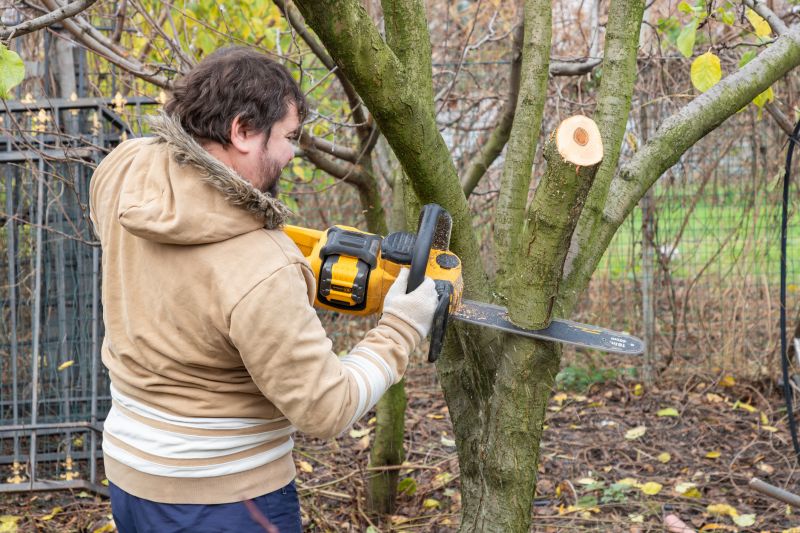
When comparing service providers for tree shaping projects, it’s important to consider their experience with similar types of work. Homeowners should look for local contractors who have a proven track record handling projects comparable in size and scope. An experienced professional will have a better understanding of the techniques and challenges involved, helping to ensure the project is completed effectively and with quality results. While experience alone isn’t the only factor, it can provide confidence that the provider is familiar with the specific demands of tree shaping services.
Clear, written expectations are essential when evaluating potential service providers. Homeowners should seek out contractors who can provide detailed descriptions of the services offered, including the scope of work, materials used, and any other relevant details. Having this information in writing helps prevent misunderstandings and ensures everyone is aligned on what will be done. A reputable local contractor will be transparent about their process and willing to communicate openly, making it easier to compare options and select a provider that meets specific needs.
Reputable references and good communication are also key considerations. Homeowners should ask for references from past clients who had similar projects completed, as this can provide insight into the contractor’s reliability and quality of work. Additionally, effective communication throughout the process helps ensure questions are answered and concerns addressed promptly. It’s important to remember that this site introduces homeowners to local service providers who can handle the work, rather than performing the work itself. Taking the time to review experience, expectations, and references can help homeowners find a trusted professional to manage their tree shaping project successfully.
Property owners use Tree Shaping Service services for practical projects around their homes and businesses. This guide focuses on everyday jobs and straightforward project options.
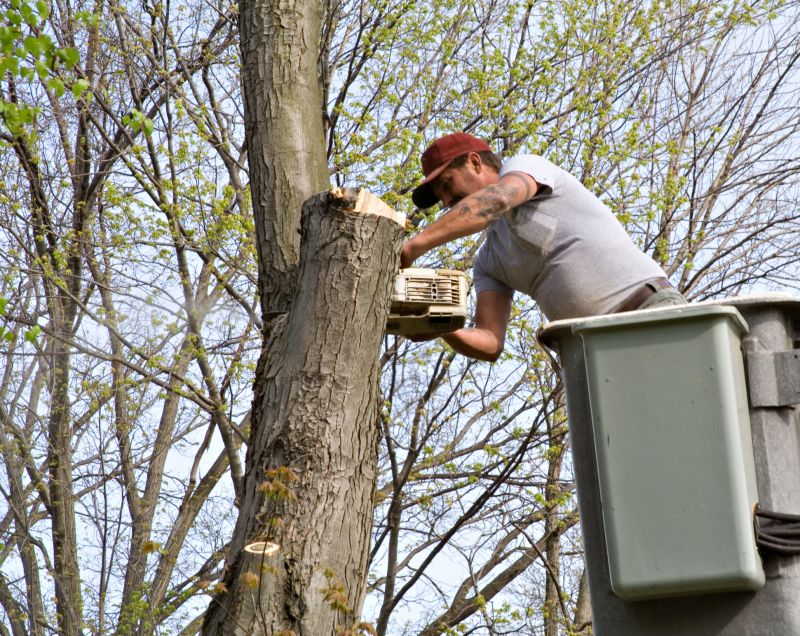
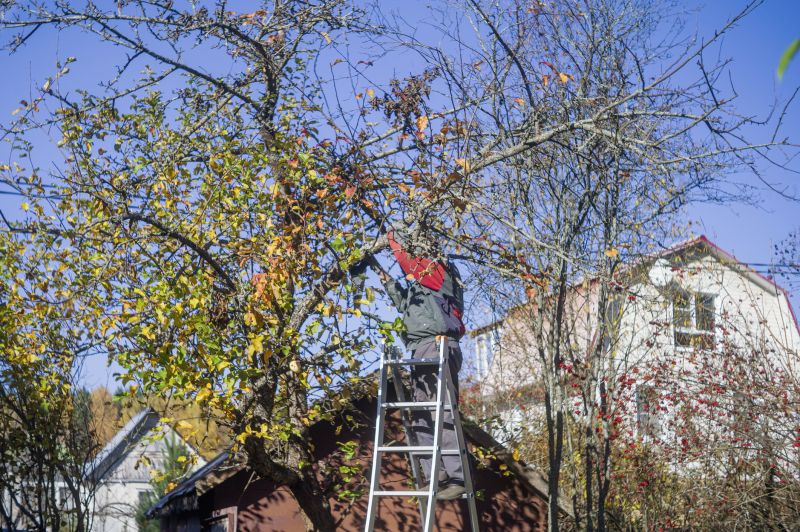
Tree shaping services are often sought after by property owners dealing with overgrown or unruly trees that affect the appearance or safety of their property. Whether it's pruning large branches, managing tree growth near structures, or shaping trees for aesthetic purposes, local contractors can help maintain a healthy and attractive landscape. Homeowners and business owners may look for these services to prevent potential damage from falling limbs or to improve visibility and curb appeal.
In addition, property owners might consider tree shaping to address specific project needs, such as creating natural privacy screens or enhancing landscape design. Local service providers can assist with shaping trees to fit the overall look of the property or to support other outdoor improvements. Connecting with experienced contractors ensures that these projects are handled efficiently and safely, helping property owners achieve their desired outdoor environment.
What is tree shaping service? Tree shaping service involves training and guiding trees into specific forms or structures for aesthetic or functional purposes, handled by experienced local contractors.
What types of trees can be shaped? Many types of trees, including hardwoods and softwoods, can be shaped, depending on the desired outcome and the expertise of local service providers.
Is tree shaping suitable for all landscapes? Tree shaping can enhance a variety of landscapes, but it is best to consult with local contractors to determine if it fits the specific site conditions.
What are common uses for shaped trees? Shaped trees are often used for decorative features, privacy screens, or functional structures like arches and living fences, with local pros able to customize designs.
How do local contractors perform tree shaping? Pros typically use pruning, wiring, and training techniques to guide growth, ensuring the trees develop the desired form over time.
Creative Garden Design - Tree shaping services can transform trees into functional features like arches, benches, or decorative structures to enhance outdoor spaces.
Privacy Enhancement - Property owners can use tree shaping to create natural screens or barriers that add privacy to yards or patios.
Unique Landscape Features - Shaping trees into artistic forms or focal points can add distinctive character to landscaping projects.
Functional Structures - Local contractors can help shape trees into living supports for climbing plants or shade structures for outdoor areas.
If you are thinking about Tree Shaping Service for a property, this guide is meant to help you understand the work, the typical project types, and how different options might fit your plans.
When you are ready, you can use the quote form on this page to share a few details about your project. From there, local pros can review the basics and respond with options that match what you have in mind.